Aftercare for your Scalp Tattoo in Australia
When it comes to aftercare for a scalp tattoo in Australia there are three things to remember: do not let the area get dirty, keep it dry and otherwise leave well alone. The skin has to be given time to settle and the pigment to stabilise with a bit of care, as is the case with any SMP (scalp micropigmentation) or hair tattoo.
The initial 48 hours are critical yet sensible aftercare will see you through the next 10 days or so. You should put stock in what your practitioner says above all else; they know the needle depth, the size of the treatment and how sensitive the skin is. We have set out this guide to scalp micropigmentation aftercare in no-nonsense Australian English to tell you when you can groom normally again and how to deal with sweat and the elements.
A matter of restraint for Australians
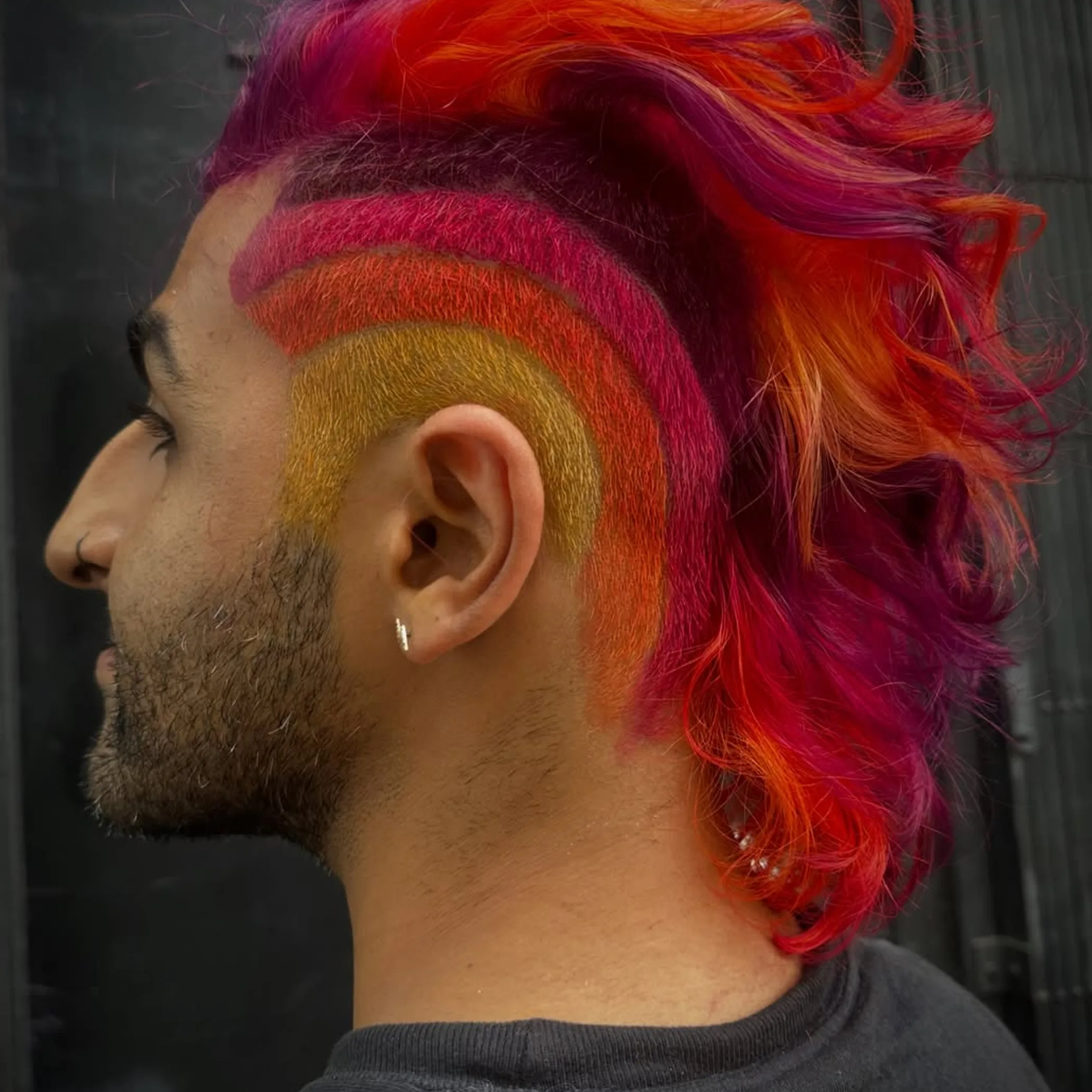
Fraser Denholm would tell you that in his years of men’s grooming retail he has had plenty of customers come to him with hushed questions on the topic of cosmetic treatments and shaving. He knows the type: one minute they fret over not doing enough, the next they have gone to excess. With scalp tattoo aftercare you are better off being restrained than getting too keen with the contents of the bathroom cabinet. For the right scalp tattoo pick, informed questions are a good starting point.
Then there is the Australian way of life to contend with. Between the dust on your commute, an ocean swim, the wet season humidity and the kind of strong sunlight we get, comfort and pigment retention can be at odds. Should you be heading home post treatment, put on a clean hat or beanie and have some water to hand. It is best to steer clear of a long walk or a sweaty ride in the ute right after.
First 48 Hours
Keep it uneventful for the first two days. You may find the scalp is a touch more red, dark or puffy than you thought it would be and the work seems overly defined before the colour mellows in the course of healing. That is fine. Do not be tempted to rub or pick at the skin unless told by your practitioner to put something on it. If you must make contact, have clean hands about you.
Make sure you have fresh bedding and do not put on anything tight to the head; sleep where you will not be bearing down on the treated part of your scalp.
Some pointers for day one:
- Stick to the practitioner’s timetable for keeping the scalp clean and dry.
- Resist the urge to scratch if you start to feel an itch.
- Leave styling sprays, fragrances and the like well away.
- Stay out of direct sun and heat that will bring on the sweat.
- Have a clean pillowcase and do not put other people’s hats or towels to use.
And do not think to apply a thick ointment or alcohol because it did the trick on another tattoo. This is not a barbecue and slathering on product is no guarantee of a good heal.
Getting Home
If you can, make the trip back from the appointment short and air-conditioned. You might find driving yourself a nuisance if the treatment is on the forehead and you are prone to glare, in which case a taxi is the sensible option. Park in the shade but do not make a habit of sitting in a hot car in a beanie until the interior is flat as a pancake.
There is little call for medical supplies. A soft cleanser, bottled water and whatever aftercare cream the practitioner has put their seal of approval on will do. You can put together the basics from the chemist for AUD $10–$30 or so.
Washing without making a fuss
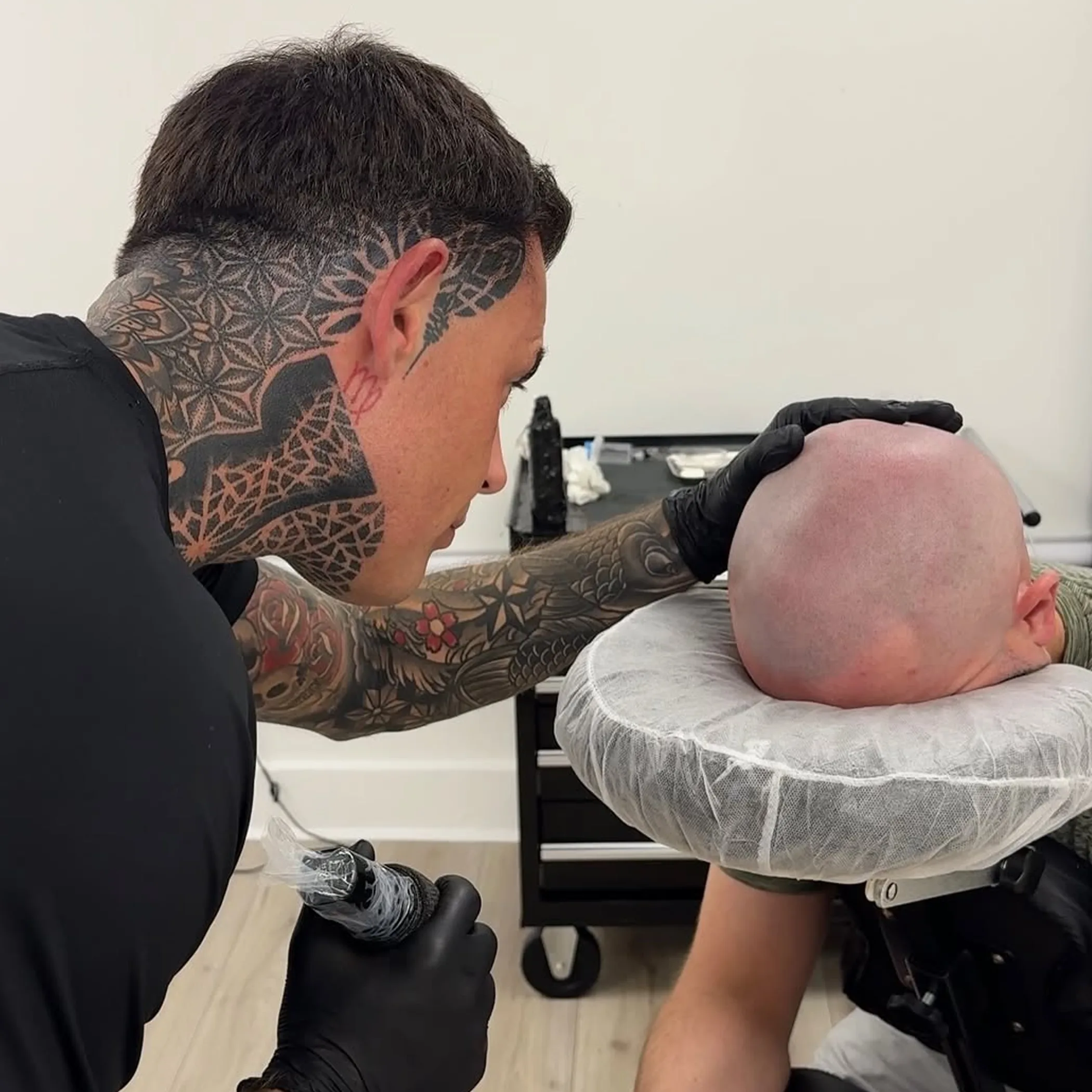
You want to avoid irritation but a hard wash will take the pigment and flakes off before the skin is prepared for it. Think of it as a controlled clean and not a scrub-down like you would after a Gibb River Road outing.
When the clinic gives you the go ahead, run lukewarm water over the scalp with a mild soap, nothing with fragrance or exfoliants in it. Let the water do the work instead of pointing a forceful shower at it and then pat dry with a soft towel, do not drag it across.
As for shampoo, do not just reach for it in the first few days. Some will let you have a non-scented one, diluted, while others will say wait. Check with them as to what is right for your skin.
Less is more
For the first five days do not bother with pomade, wax, aftershave, essential oils or dry shampoo. They have a way of stinging or holding heat and you will be rubbing at them to get them off. A small amount of unscented moisturiser is fine if the practitioner is okay with it. A glossy, wet or coated appearance is not what the scalp should have. Put on too much cream and you will soften flakes before their time and spoil the finish.
When to Groom
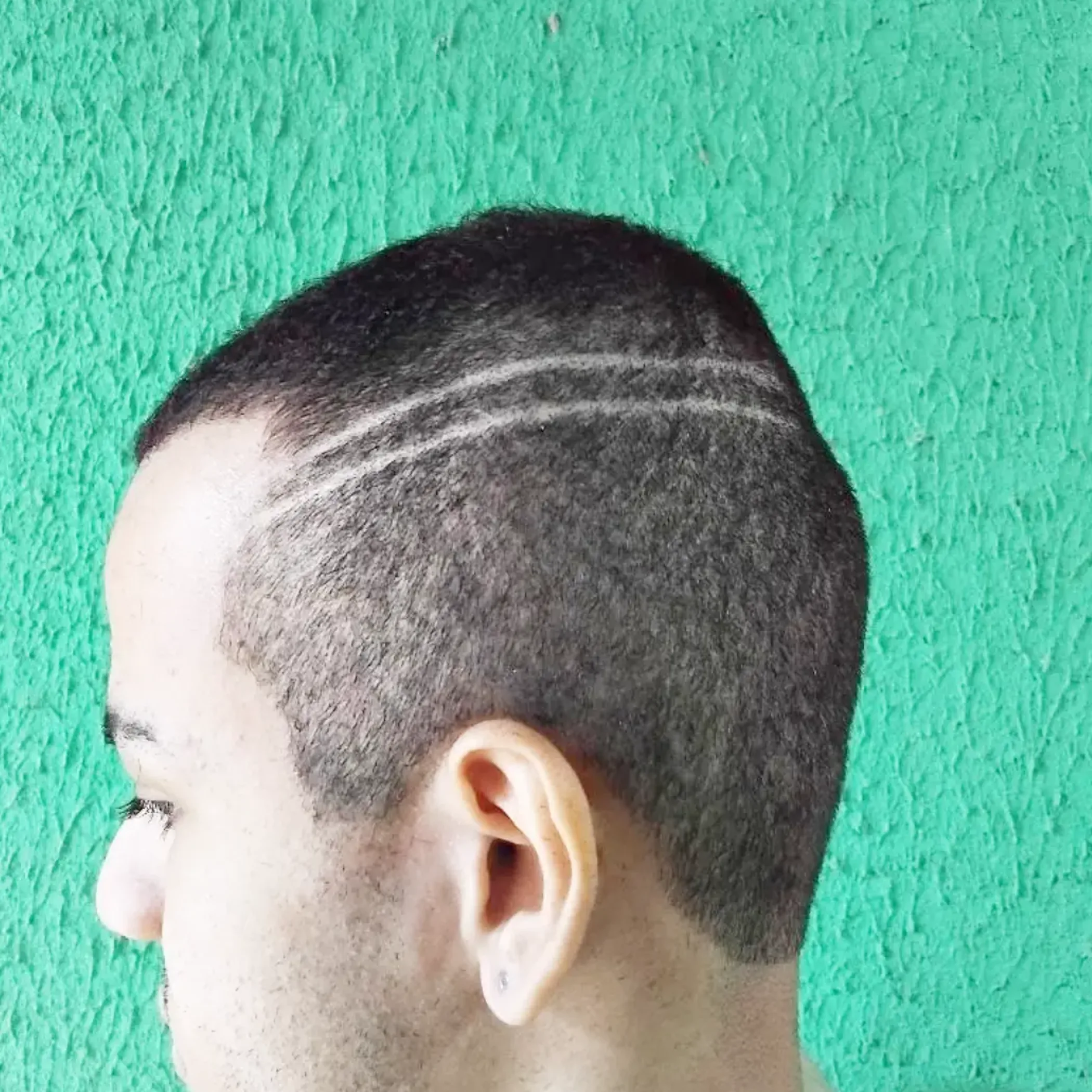
Healing skin does not take kindly to the friction of a razor or comb. Refrain from either in the treated zone until your practitioner gives the all clear, especially where there is redness, tenderness or flaking to be seen. A razor has no place on peeling skin. Should you put one to use again, be sure the equipment is clean and your touch is light. An electric trimmer might seem more agreeable at first but it is not without risk; “electric” is not a synonym for “safe”. And resist the urge to press a comb hard into the scalp or stand before the mirror to inspect your work over and over.
There is a tendency to want a scalp tattoo to be done and dusted right away. Patches that are uneven or look dark in the beginning are normal as things settle. Trying to put right the appearance with your own hands by way of scratching or otherwise will more often than not make an issue of it.
Sweat, Water And Heat
In the first days of healing, keep off saunas and do not exercise, swim or soak. Sweat is an irritant to new skin and the ocean, a spa or pool present the area with prolonged soaking and water quality problems. Your practitioner will likely put a ban on any strenuous activity for 4 to 7 days or so, so abide by his or her instructions. You may be able to get away with a cool walk before you would a hard run in the Perth humidity or a hot yoga class.
Leave the pools and the sea be till the flaking is over and the skin is sound. Do not think of salt water as some sort of disinfectant or a chlorinated pool as a spa. The same goes for steam rooms and hot tubs: the heat and moisture invite rubbing and irritation.
The Australian Weather
Conditions in the Top End can leave the scalp feeling clammy in the wet season and subject to dust and the sun in the dry. Out in the Pilbara or Red Centre the heat and the glare are unrelenting. In summer even if you are minding the rules, bushfire smoke and hot winds from being out and about can be trying.
Head outdoors only under the shade of a loose hat or beanie and when your practitioner deems it appropriate. A cap that is too tight will rub, a dirty one brings bacteria and one left in the car makes for a disagreeable oven.
Protecting The Pigment
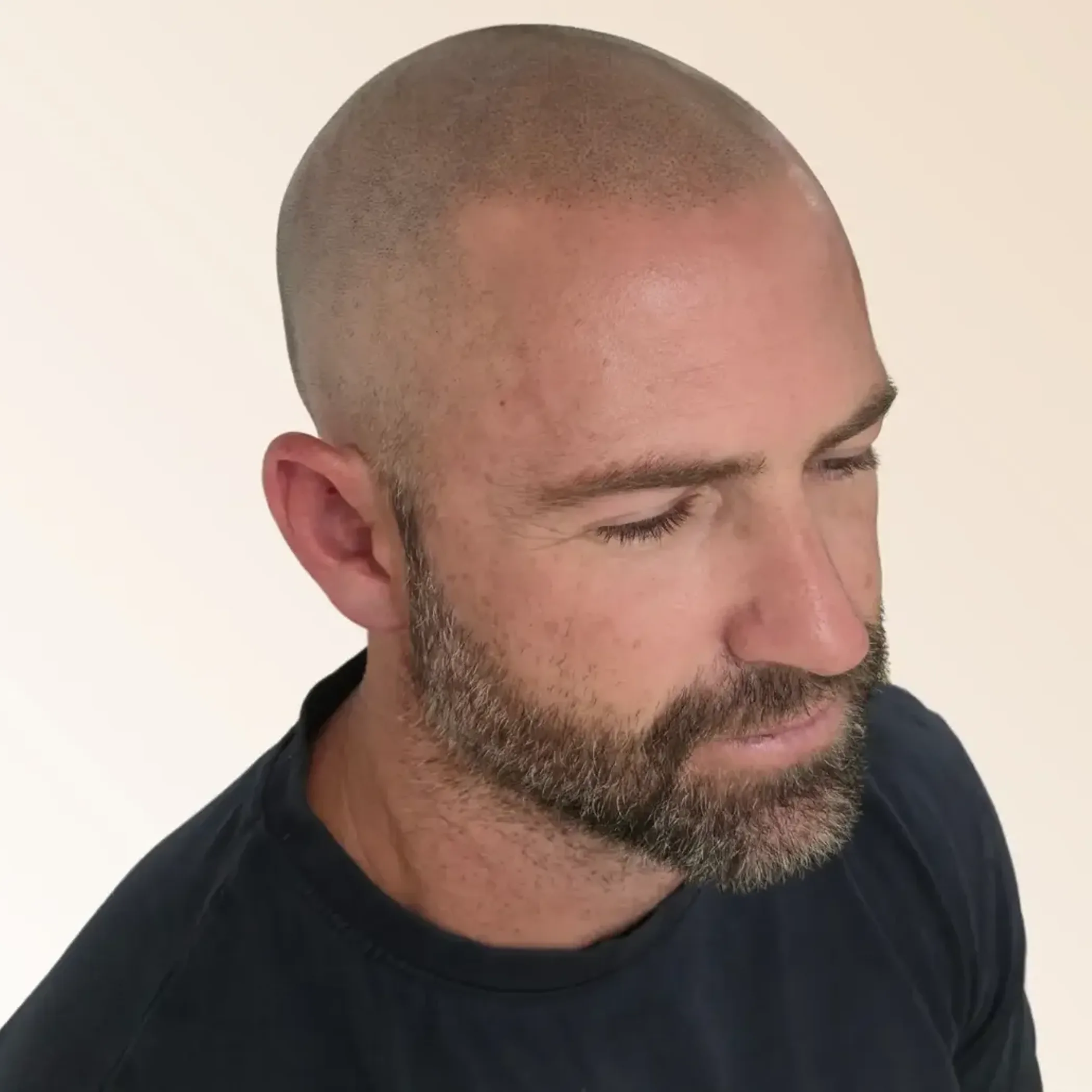
Once healed, sun protection is key to retaining pigment. Open or peeling skin is not for sunscreen unless a health professional tells you it is. After the fact, apply a broad spectrum product as directed and reapply if you are swimming or perspiring. The UV Index put out by the Bureau of Meteorology runs to 11+ and a higher number means more ultraviolet risk, so check before you go out. It is not just for the beach; a day at the cricket or on a building site, or a drive up the Stuart Highway, will add up. A hat of a comfortable fit is handy then, as long as it is clean and does not chafe.
Aftercare Products
Bepanthen, Sudocrem and the like come up in conversation but they are not a given for every SMP case. Some occlusive creams are not well suited to a scalp tattoo, tending to make things sticky or cause you to rub. Tattoo artists will put in a word for Bepanthen in certain aftercare scenarios. And while Sudocrem is a household name here, that is no reason to put it on fresh micropigmentation. Make of your practitioner what is to be used and in what measure.
You will see them at Woolworths or Chemist Warehouse but do not let availability dictate your choice. Steer clear of anything with fragrance and do not mix and match creams in an effort to cover all bases; you will end up with a confused scalp.
What to Shun
Unless a qualified professional has said otherwise, put aside products with alcohol, retinoids, exfoliating acids or potent anti-dandruff agents and strong scents. Leave the scalp without a sheen from thick layers. And while the skin is in the process of healing, do not put out to be shared your creams, hats, towels or brushes.
Any of the following should prompt you to see a doctor: an allergic response, fever, pus, red streaks, pain that is getting worse, marked swelling or redness that is spreading. There is no need to be concerned over some light flaking, a darker hue, temporary redness or mild tenderness; but if your symptoms are on the upturn and not improving, have them looked at.
The Healing Timeline
Every person’s scalp tattoo will heal in its own time. It is down to a combination of factors: the state of one’s health, the weather, how much one sweats, skin type, the density of the treatment and aftercare. The table is intended as a useful reference, though it is no substitute for what your practitioner has told you.
| Stage | What You May Notice | What To Do |
|---|---|---|
| First 48 hours | A degree of tightness, redness, tenderness or dots running a bit dark | As you have been told, keep the area clean and dry. Do not touch it and stay away from heat and perspiration. |
| Days 3–5 | The result may appear softer; there can be itching, dryness and some flaking | Resist the urge to pick at it. Be gentle with the skin and put off any swimming, shaving or use of strong products. |
| Days 5–10 | Pigment starts to take on a more natural look as the flaking subsides | Once the skin is closed you can put sun protection on and slowly go back to your grooming routine. |
| After 10 days | You will be in a better position to judge the outcome, even as the pigment continues to settle | Make arrangements with your practitioner for a follow-up or touch-up if needed. |
One does not have the same worst days as another when it comes to healing. For some, days 3 to 5 are the most trying with their share of flaking and itch. That is not to say anything is amiss. The trouble is if one is tempted to scratch, peel or put on something of questionable value.
Common Aftercare Mistakes
It is easy to make the error of thinking that by “clean” one means scrubbed and “dry” means put under a towel. In fact the skin needs to be made clean without any friction. Or you might think the scalp feels fine and head out for some exercise, only to find yourself sweating under a cap for an hour.
I have had my share of customers in my time in grooming retail who would put three different products on the counter on the strength of what was being promised. More often than not they were put right: a simple routine is less of a headache and one approved product applied with restraint is better than a whole shelf of conjecture.
Then there is the matter of expectation and reality. One expects the pigment to be the same from day to day, yet it will be patchier, softer or flaky for a while before it settles. Some believe a head tattoo will be done and dusted quickly given the blood flow in the scalp; in truth the speed of healing is variable and you still have to mind the sun, sweat and friction.
Are You Ready?
SMP is well suited to an adult looking for a defined hairline, to lessen the contrast of thinning hair or for the look of a close shave. But do not put it on the calendar if you have an infection, sunburn, unexplained lesions, irritation on the scalp or are prone to poor wound healing without having a word with your practitioner and a health professional first.
If a day is all you have to get ready, then put aside time to sort out a fresh pillowcase, know the washing instructions and have a cool way home planned. Those of us who train hard or are in the outdoors should book for a time we can give the scalp five days of protection. To have a procedure in before a charity run or a trip to the beach is bad planning, no matter how good the price of the appointment seems.
When you are making your choice of scalp tattoo, let the aftercare plan figure in it. A practitioner of repute will lay out the restrictions, the products, what changes to expect and the follow-up before he or she puts a needle to you.
FAQ
Below are the questions that tend to be asked most in the wake of scalp micropigmentation. Should your symptoms deviate from the norm, put down the online article and contact your practitioner or a medical professional.
Bepanthen or Sudocrem?
There is no clear winner. While Bepanthen has its place in certain care regimens, Sudocrem can be too heavy for some scalps. Stick to the quantity and product your SMP practitioner sanctions.
Which are the worst days?
You will likely find days 3–5 the most irksome with the onset of flaking and itch. The skin may be uneven or run dark before the pigment is settled. Leave the flakes alone and do not try to appraise the finished work so soon.
Do they heal faster on the head?
The comfort level of a scalp treatment can come on quickly but do not mistake that for the skin being fully healed. It remains necessary to shield the scalp from water, sunlight and the like.
Why the recommendation for Bepanthen?
Some artists will put you on Bepanthen for the barrier it affords in an aftercare routine. But SMP is not like a conventional body tattoo, so do not simply ape someone else’s methods, heed the advice given for your treatment.
Is it safe to swim?
Not until your practitioner gives the all clear and the flaking is over. This applies to the spa, ocean and pool alike. Going in early is an invitation to have salt, chemicals and rubbing on a vulnerable scalp.
A Simple Routine
There is nothing to get excited about with proper aftercare; it is meant to be unexciting, consistent and gentle. Make sure the scalp is clean and dry, stay off it, forgo the exercise and swimming and put the Australian sun at bay once the skin has healed.
Wash, moisturise and shave as your practitioner directs. If things turn painful or severe, get some professional input. And as Fraser Denholm would have it, approach the first 10 days with the same care as a crossing of the Nullarbor: plan accordingly, do not make a fuss if the scenery alters and steer clear of any detours.
